
Travel, Leisure & Fun for South Valley Adults


Travel, Leisure & Fun for South Valley Adults
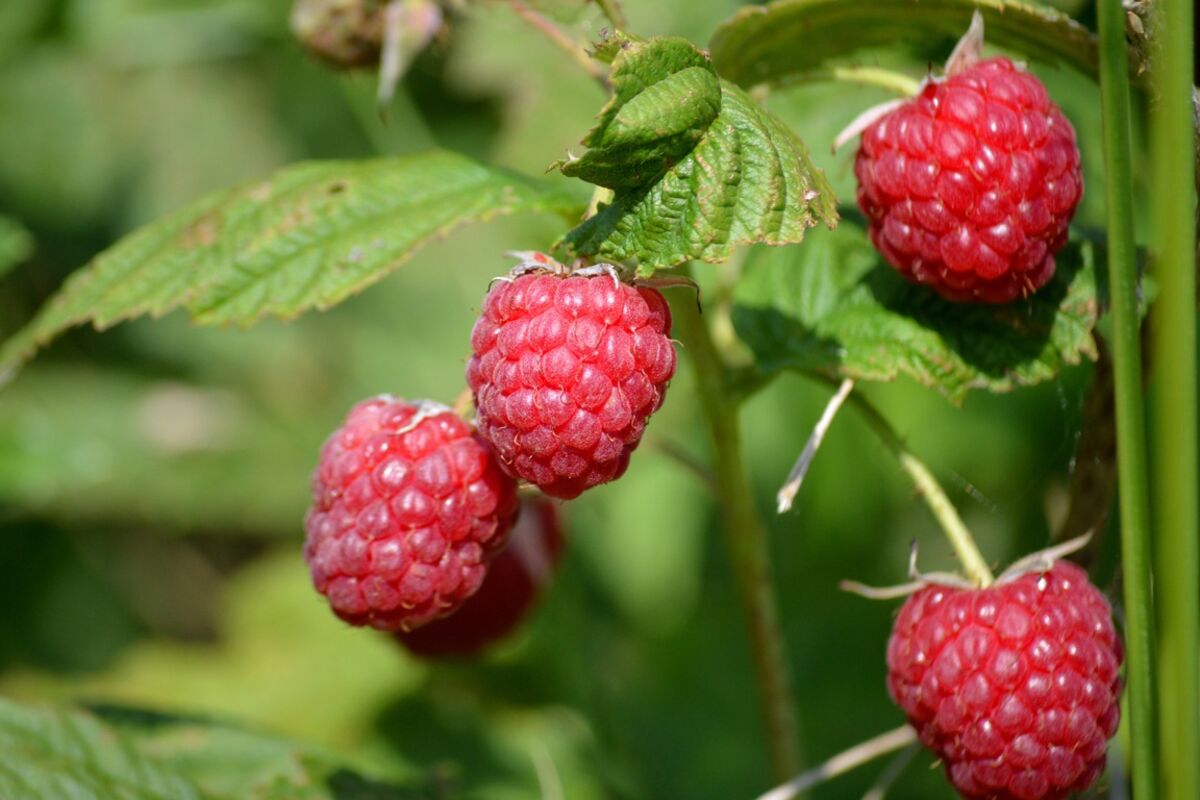
Raspberries
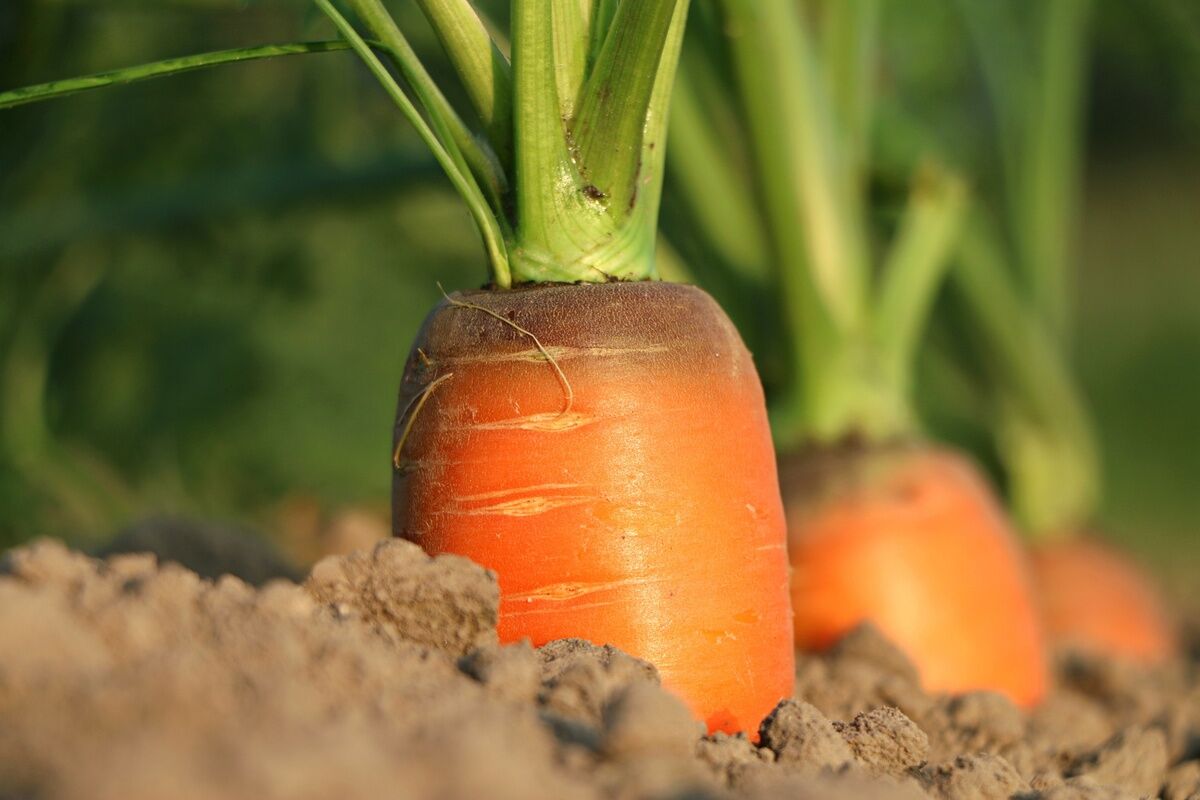
Carrots
Green asparagus
January in the Central Valley is the month of (hopefully!) rain, mountain snow, freezing temperatures, fog and wind. Growth slows down in winter, but it does continue. Even plants that are dormant are still growing, often only underground, and they are preparing for spring.
Some plants, like many bulbs and wildflowers (and annuals we consider weeds) are actively growing now. Winter and early-spring blooming shrubs, bulbs and perennials love frosty, damp, or foggy weather. Moisture that is not used is stored deep in the soil for summer use.
Planting
It's possible to plant in winter, but we delay most planting until the (relatively) warmer days of mid to late February. The exception is bare root planting. Here are some tips:
• Bare root fruit trees are now available. Check their pollination requirements. Not all fruit trees are self-fertile, and some will require a cross pollinator. Notice the number of chill hours required. Our winters usually average 700-800 chilling hours.
• Bare root roses – hybrid teas, floribundas, climbers, miniatures, ground covers and shrubs – are available. All roses do very well in the San Joaquin valley.
• Bare root berries and grapes – Plant grape vines, cane boysenberries, blackberries, raspberries, blueberries and strawberries.
You can also plant beets, carrots, leek, lettuce, onion, parsley, radish, seed potatoes, onions, peas, radish, spinach, artichokes and asparagus directly in the garden this month. Believe it or not, it's time to begin sowing seeds for summer annual flowers and vegetables like tomatoes and peppers.
Maintaining
We have less to do in January, but there are a couple of chores that are perfect to do this month. One of them is spraying roses, deciduous flowering trees and deciduous fruit trees with winter horticultural oil to smother overwintering insects like spider mites, scales, mealy bugs and peach twig borers.
You don't have to apply horticultural oil if you are lucky enough not to have these specific pests, but if you've had a problem every spring, summer, or fall, be proactive now and keep your trees and roses healthier year-round. Spray the branches, crotches, trunk and the ground beneath the tree's drip line.
Hold off spraying if rain is forecast, or if the temperature is below 45 degrees. Never spray oil on walnut trees. If you didn't spray your peach or nectarine tree for peach leaf curl in November or December, spray now with a copper-based or a synthetic fungicide.
The other main chore of January is pruning deciduous trees and deciduous shrubs, including roses. For all pruning chores, keep pruners and loppers sharp. Sterilize the pruners between plants. Use a 10% bleach solution or white vinegar and rinse or wipe blades off with a clean cloth or paper towel after sterilizing to remove the chemicals. Remove all broken, diseased, or crossing branches first.
Two basic cutting techniques are used in general pruning: thinning and heading. Thinning cuts remove entire branches back to a larger branch or the trunk, resulting in a more natural look. Thinning cuts are also used to allow more air circulation and light into the interior of the tree. Thinning cuts are made first, before heading cuts. You might want to take a break midway through and step back to examine the tree from a short distance. A well-pruned plant looks balanced and strong.
Heading cuts shorten branches and should only be used on small branches. Use heading cuts judiciously to shorten over-long branches. You can take off about a quarter of the previous season's growth on these newer smaller branches if you want to keep the tree smaller. Make sure to cut back to an outward facing bud to direct new growth away from the interior of the tree. Prune from the bottom up and from the inside of the plant to the outside. Download our "Tree Selection and Guide" at: https://ucanr.edu/sites/default/files/2018-04/23464.pdf
Keep up with weed control. Add more mulch to depleted areas so there is always a three-inch layer of organic mulch or a two-inch layer of rock or gravel mulch.
Conserving
I love a good foggy day for chipping some of the brush we've been collecting all year on our rural property. Although we leave brush piles for wildlife, some branches, including the Christmas tree, are great replenishment mulch for our planting beds. Instead of sending leaves off your property, shred them and use them as mulch too as much as you can.
Nature does not like bare soil, and good gardeners understand the importance of caring for the soil by covering it and protecting it from wind, rain and extreme temperature assaults.
Check in on your bee nesting boxes. Often the older ones have filled tubes, meaning they are "in use." Check to make sure spiders or earwigs aren't hanging out nearby waiting to eat the bee larvae inside the tubes. To learn more about this great way to support solitary nesting native bees, visit xerxes.org.
Wishing you bright winter days in the garden and a Happy New Year!
Questions?
Call the Master Gardeners:
Tulare County: (559) 684-3325, Tuesdays and Thursdays, 9:30-11:30 a.m .;
Kings County: (559) 852-2736, Thursday only, 9:30-11:30 a.m.
Visit our website for past articles, sign up for our e-newsletter, or email us with your questions: http://ucanr.edu/sites/UC_Master_Gardeners/
Facebook: https://www.facebook.com/mgtularekings14/ ; Instagram at: @mgtularekings


Reader Comments(0)